Animal only found in Nepal
Nepal is home to a diverse range of wildlife, and while many species can be found in other regions as well, there are a few animals that are considered endemic to Nepal, meaning they are found exclusively or predominantly within the country's borders.
Here are a few examples:
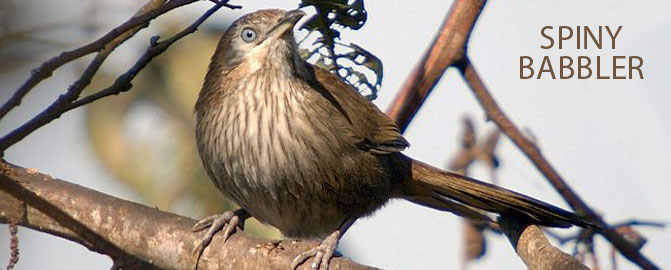
1. Spiny Babbler (Turdoides nipalensis)
2. Nepal Rufous-vented Prinia (Prinia burnesii nipalensis)
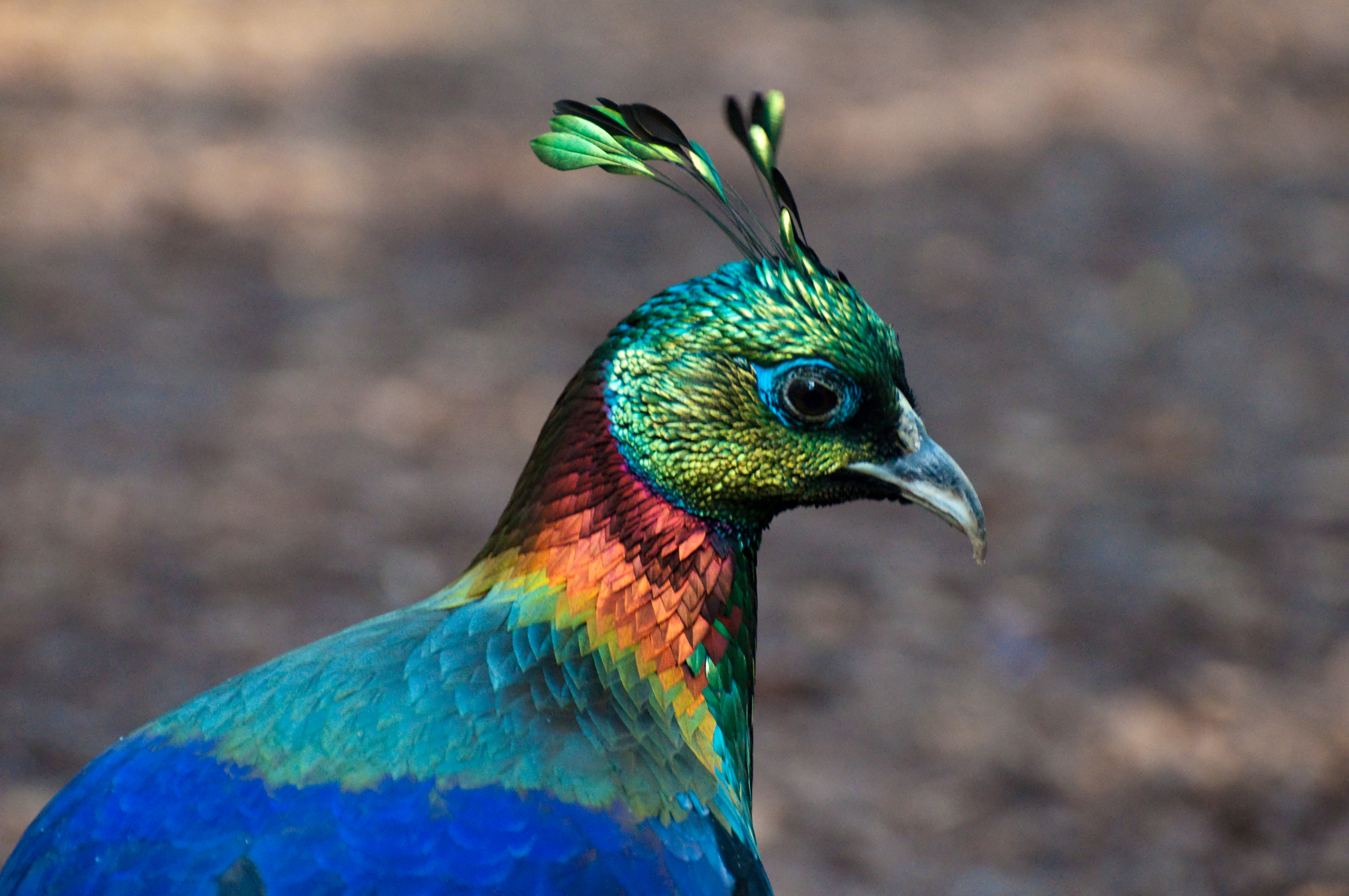
3. Himalayan Monal (Lophophorus impejanus)
4. Annapurna Blue Sheep (Pseudois nayaur szechuanensis)
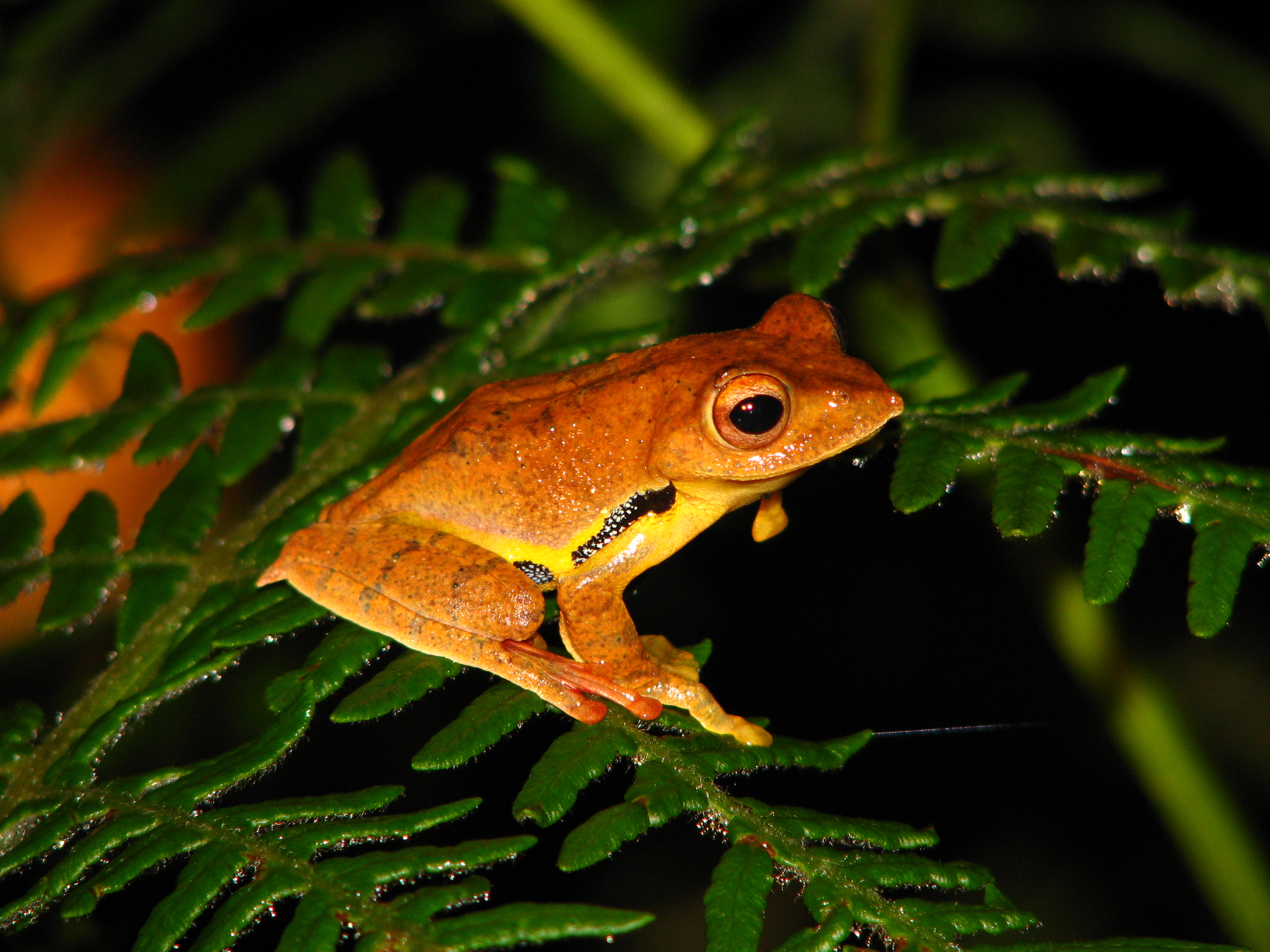
5. Nepal Tree Frog (Rhacophorus bipunctatus)
1. Spiny Babbler (Turdoides nipalensis)
The Spiny Babbler is a bird species endemic to Nepal. It is known for its distinctive appearance, with spiky feathers on its crown. It is primarily found in scrublands and grassy areas in the mid-hills of Nepal.

The Spiny Babbler (Turdoides nipalensis) is a bird species that is endemic to Nepal, meaning it is found exclusively or predominantly within the country's borders. It has a distinct appearance with a spiky crown and pale grey plumage on the head, neck, and breast. This medium-sized bird prefers scrublands and grassy areas in the mid-hills of Nepal, where it forages on the ground and among branches.
2. Nepal Rufous-vented Prinia (Prinia burnesii nipalensis)
The Nepal Rufous-vented Prinia is a subspecies of the Rufous-vented Prinia that is endemic to Nepal. It is a small bird species found in grasslands and scrublands in the lowlands and mid-hills of Nepal.
The Nepal Rufous-vented Prinia (Prinia burnesii nipalensis) is a subspecies of the Rufous-vented Prinia that is endemic to Nepal. It is a small bird species found in grasslands and scrublands in the lowlands and mid-hills of Nepal.
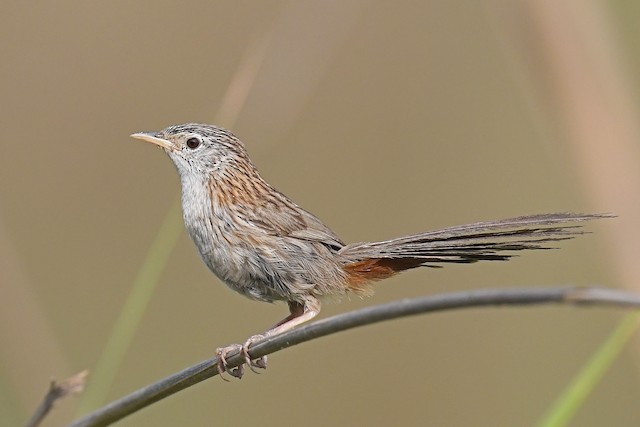
This bird has a distinctive appearance with a slender body, brown upperparts, and a rufous-colored vent. It is known for its agile and active nature, constantly moving through vegetation in search of insects, spiders, and seeds. The Nepal Rufous-vented Prinia builds its nest in dense shrubs and grasses, where it lays its eggs. This subspecies is adapted to the specific habitats of Nepal and contributes to the country's unique avian biodiversity. Efforts are being made to monitor and conserve this bird species and its habitat to ensure its long-term survival.
3.Himalayan Monal (Lophophorus impejanus)
The Himalayan Monal, also known as the Danphe, is the national bird of Nepal. While it can be found in other regions of the Himalayas, it is particularly associated with Nepal. This colorful bird is known for its vibrant plumage and is found in high-altitude forests and alpine meadows.
4. Annapurna Blue Sheep (Pseudois nayaur szechuanensis)
The Annapurna Blue Sheep, also known as the Bharal, is a subspecies of the Blue Sheep that is endemic to the Annapurna Conservation Area of Nepal. It is a wild sheep species found in the rugged mountainous regions of the Himalayas.

The Annapurna Blue Sheep is an important prey species for large predators like snow leopards and wolves, contributing to the delicate ecological balance of the region. Conservation efforts, including protected areas and anti-poaching initiatives, aim to preserve the habitat and ensure the survival of this unique subspecies. The Annapurna Conservation Area provides a sanctuary for the Annapurna Blue Sheep, allowing visitors to appreciate their beauty and observe them in their natural habitat while promoting responsible tourism and conservation.
5.Nepal Tree Frog (Rhacophorus bipunctatus)
The Nepal Tree Frog is a species of frog endemic to Nepal. It inhabits forested areas and can be found in trees near water bodies. It is known for its vibrant green coloration and adhesive toe pads that allow it to climb trees.
In conclusion, Nepal boasts a rich and diverse array of wildlife, including several species that are endemic to the country. From the spiky-crowned Spiny Babbler to the colorful Himalayan Monal and the agile Nepal Tree Frog, these unique animals add to the natural heritage of Nepal. The endemic species showcase the country's distinct ecosystems, from the mid-hills to the high-altitude forests and rugged mountainous regions. Protecting and conserving these endemic species and their habitats is crucial to preserving Nepal's biodiversity and ensuring their continued existence for future generations to appreciate and admire.

Comments
Post a Comment